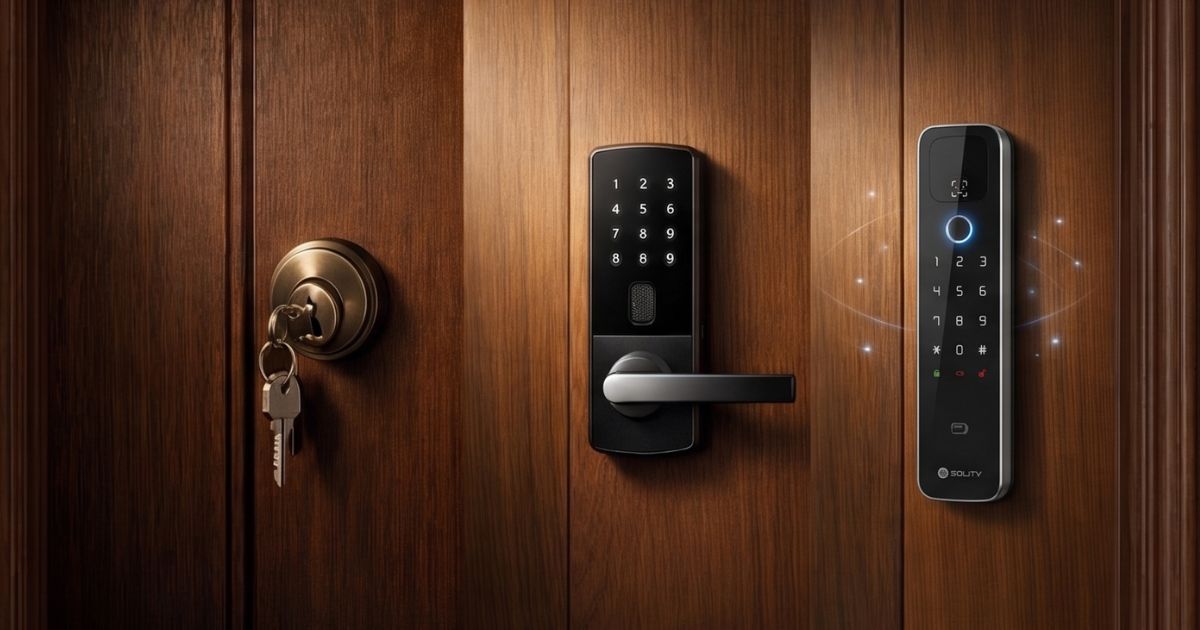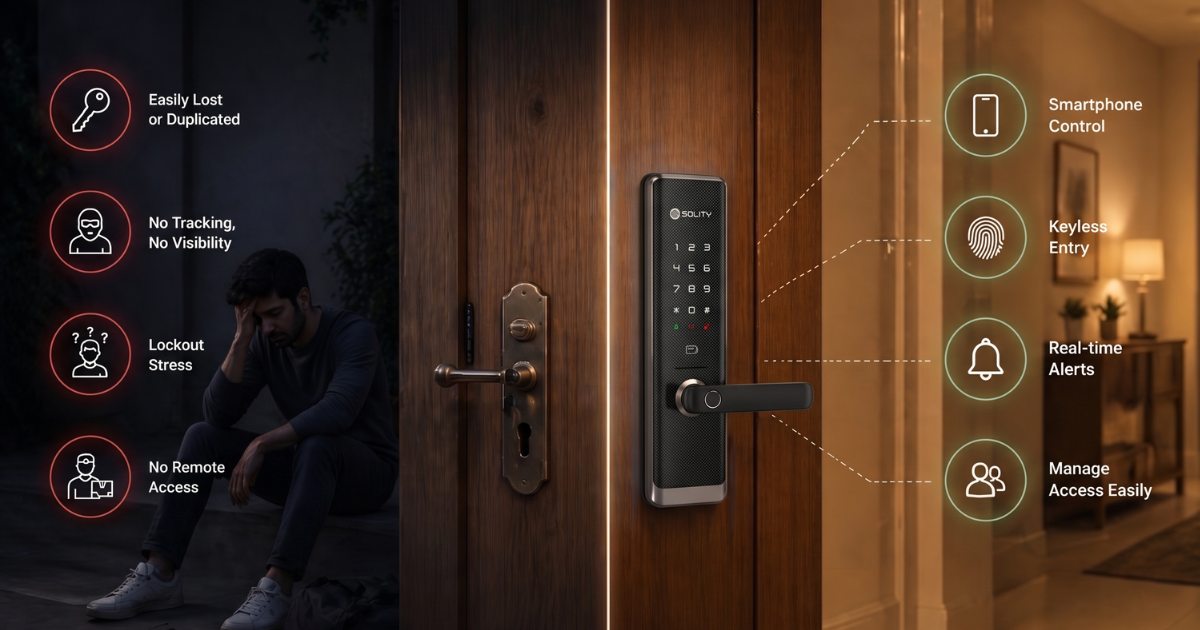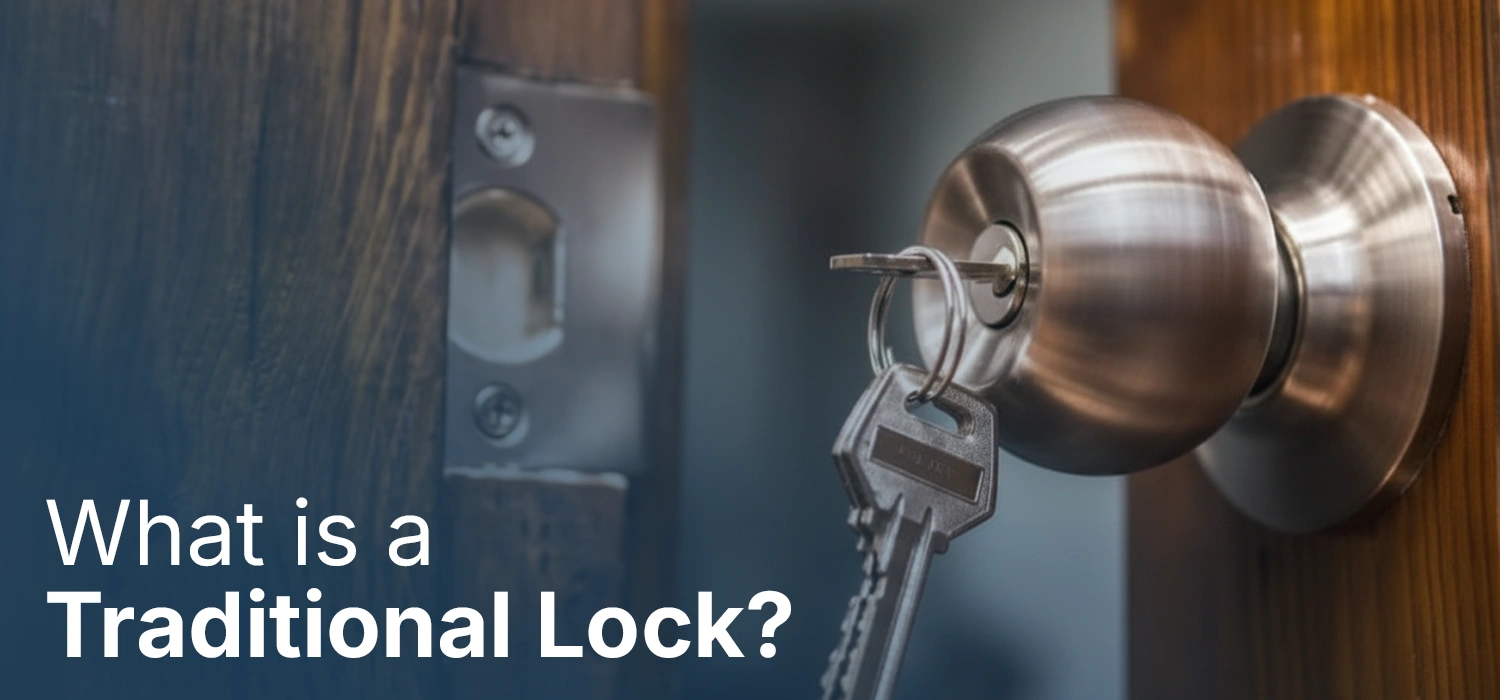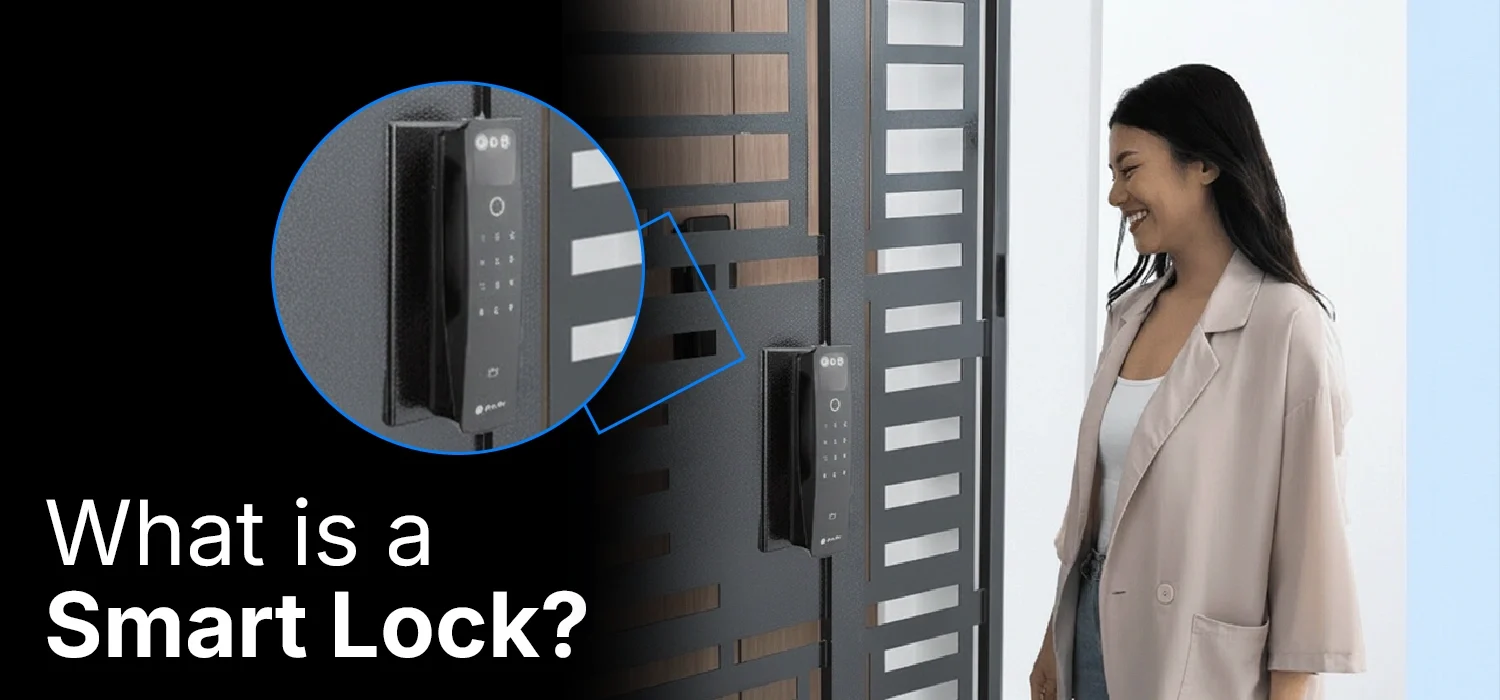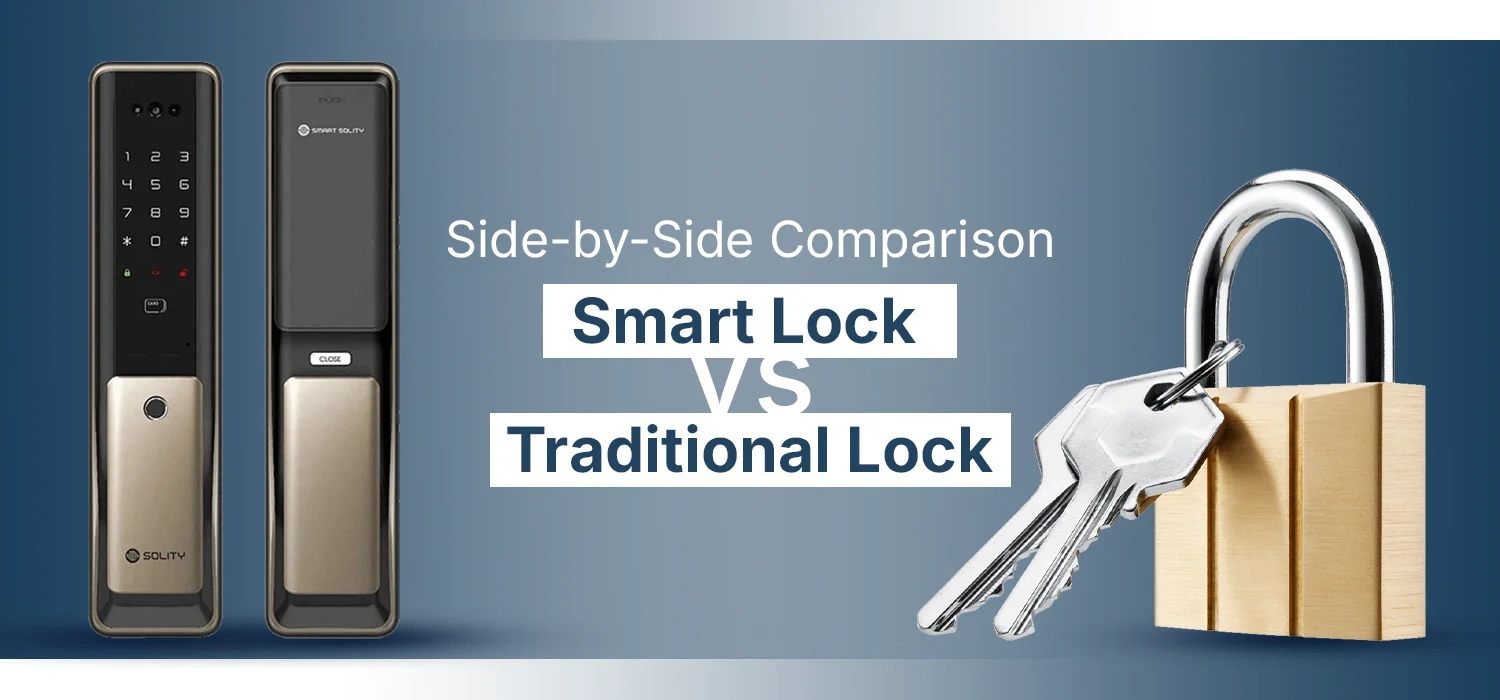
Keys get lost. Keys get copied. Keys get left in your other jacket. A biometric door lock skips that entire drama. It reads something you already carry everywhere: your fingerprint, your palm, sometimes your face, and lets you in without a single jingling keychain.
This guide breaks down how a biometric door lock actually works, where it fits best, what it costs, and how to pick the right one according to your requirements.
What is a Biometric Door Lock?
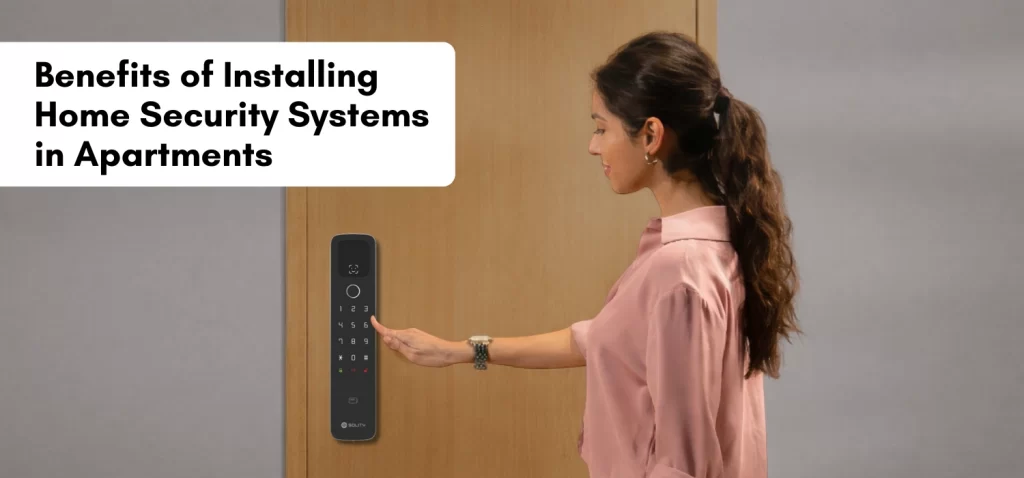
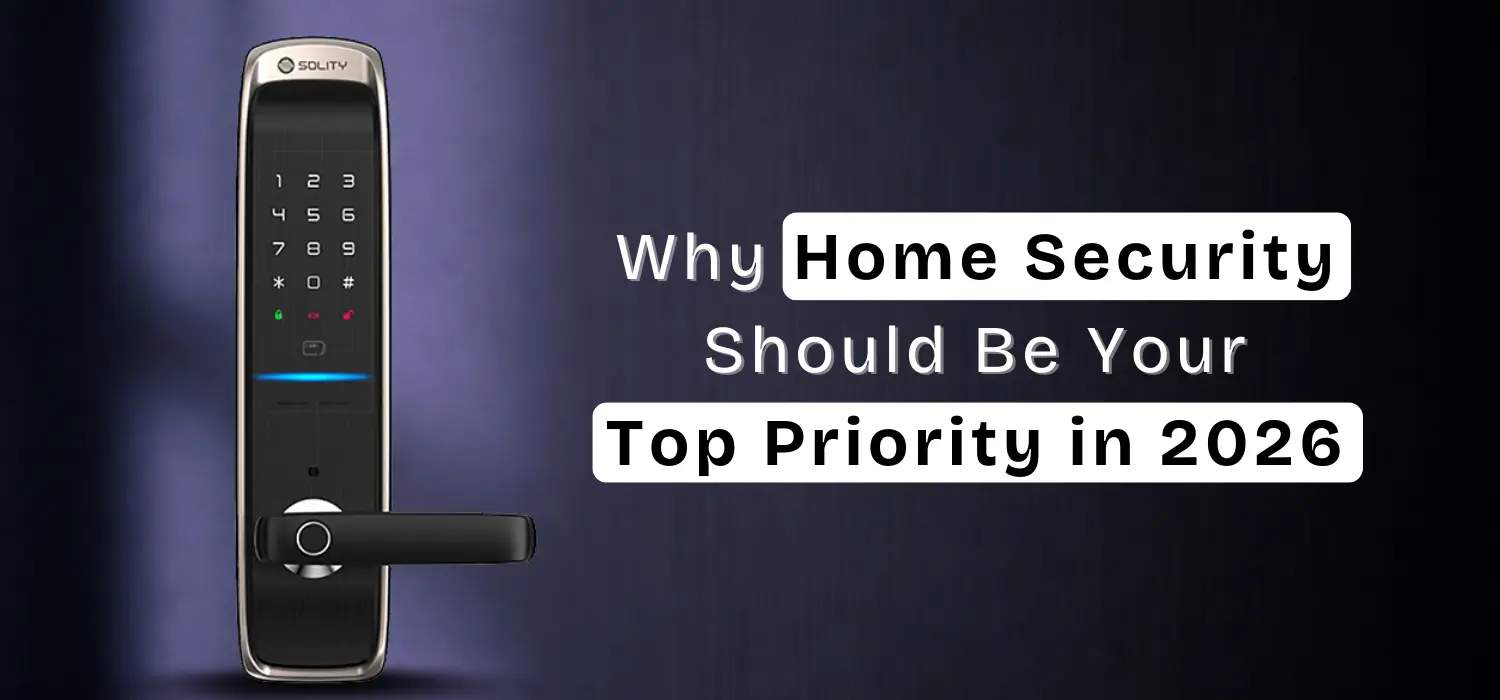
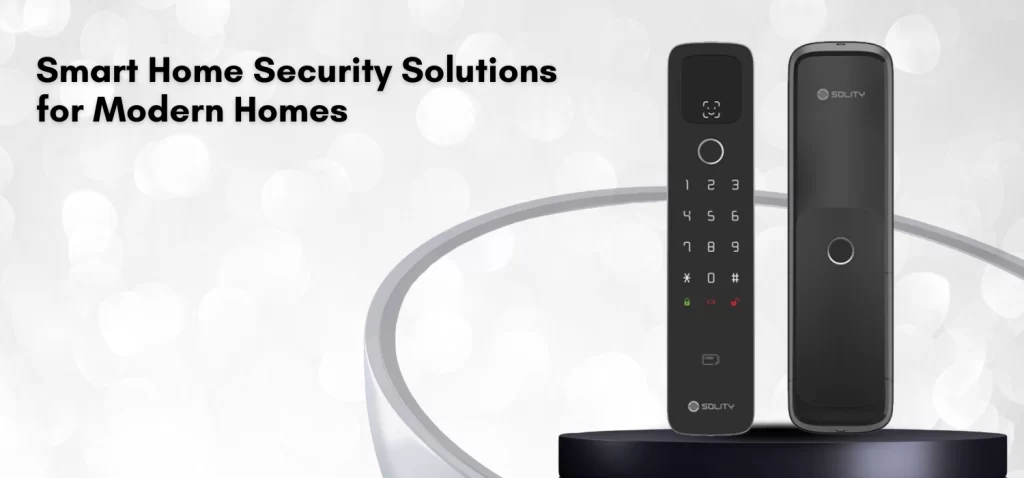
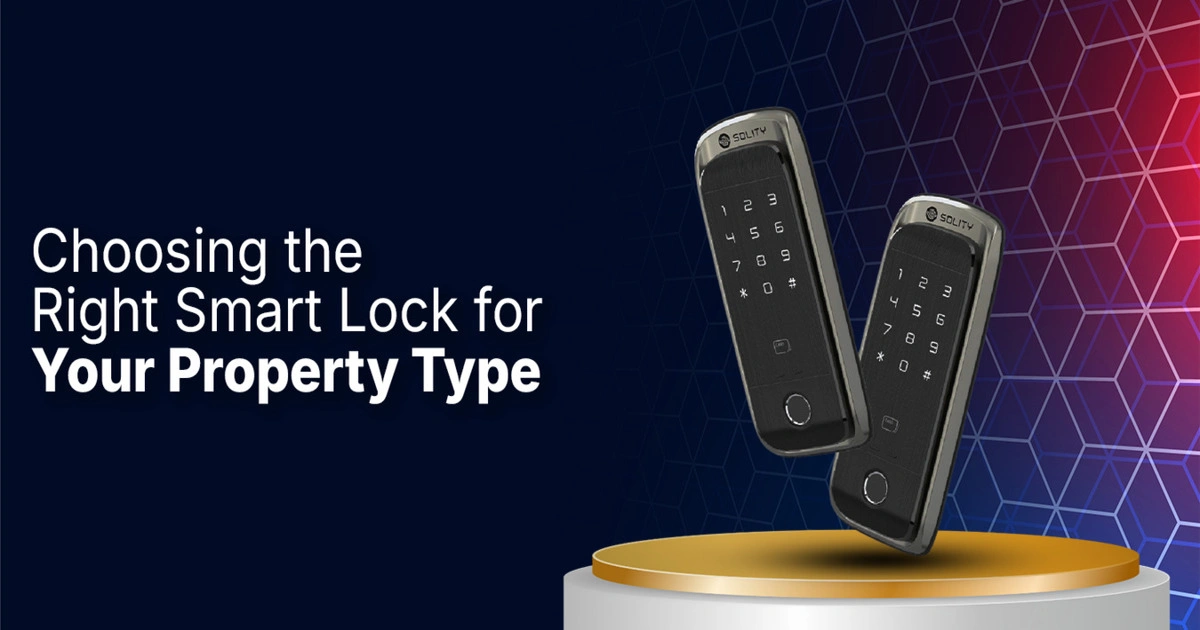
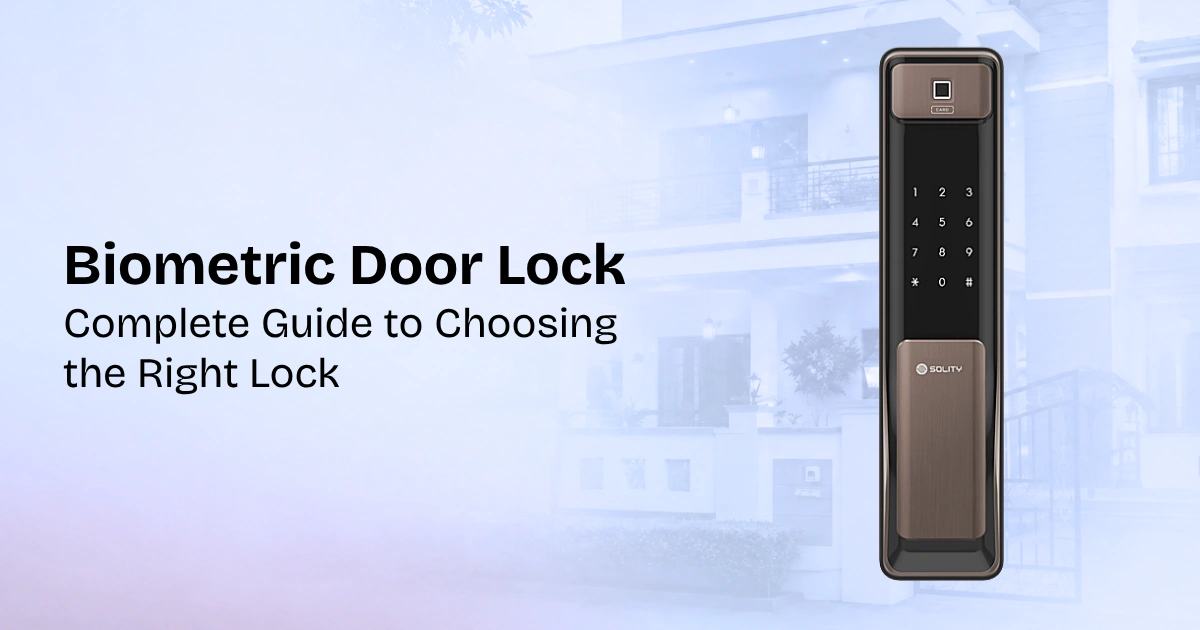
A biometric smart door lock replaces (or backs up) a traditional key with a scan of a unique physical trait. Most consumer locks use a fingerprint sensor, though palm-vein and facial recognition options exist too.
The sensor captures your fingerprint ridge pattern and converts it into an encrypted digital template, not a photo. That template usually stays stored on the device itself rather than floating around on some distant server. Every time you place your finger on the scanner, the lock compares the new scan against its stored templates. A match opens the door. No match, no entry.
Security researchers measure this accuracy with two numbers: the False Acceptance Rate (FAR) and the False Rejection Rate (FRR). FAR tells you how often an unauthorized fingerprint gets mistakenly let in. FRR tells you how often the system rejects the right person.
According to NIST testing, modern fingerprint sensors achieve false acceptance rates below 0.001%, which is about as close to “nearly impossible to fool” as consumer security gets. Rejection happens more often than false acceptance, usually because of a dirty sensor or a wet finger.
How Does a Biometric Door Lock System Work?
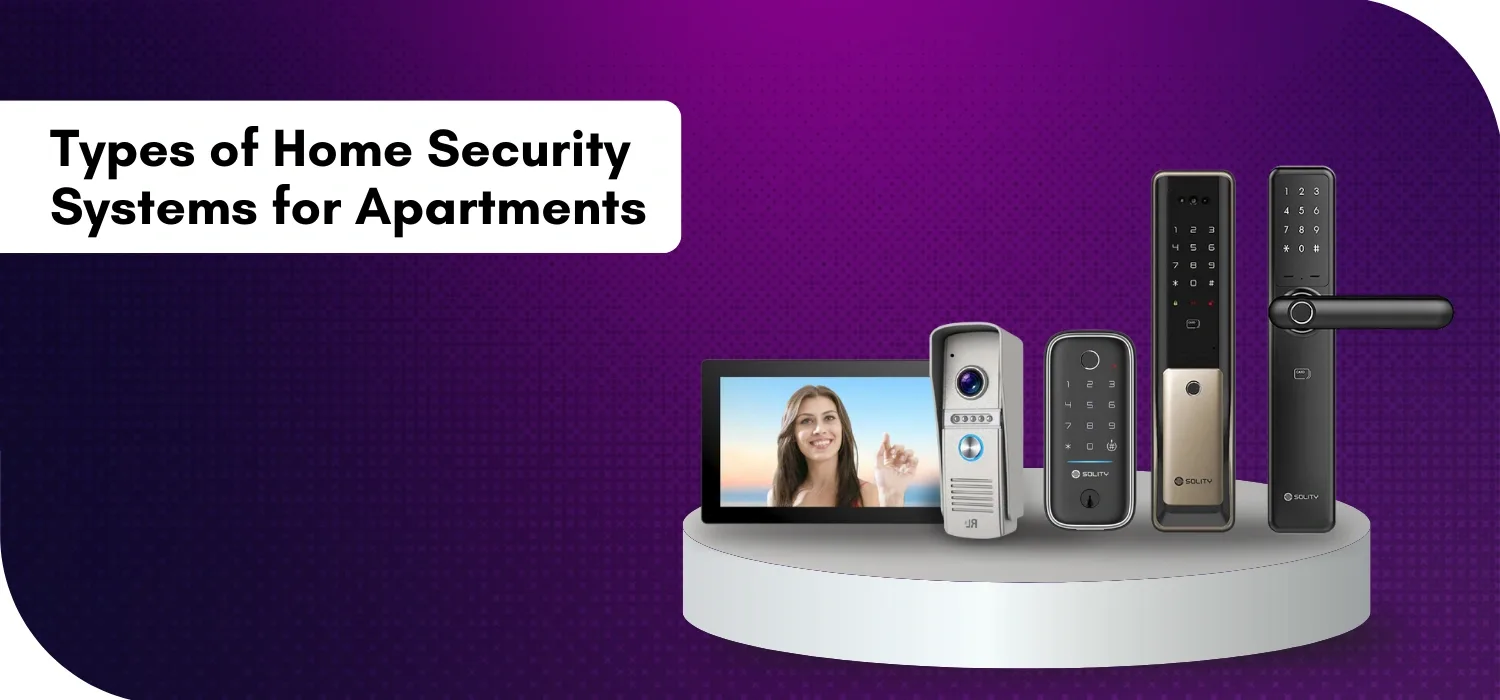
Biometric door lock system covers more than fingerprint readers. Three technologies dominate the market right now, each with its own strengths.
Fingerprint Recognition
This is the established standard. It’s fast, affordable, and widely available, which is why it shows up on the majority of consumer and commercial locks.
Palm-vein Recognition
It scans the vein pattern beneath your skin using near-infrared light. It’s fully contactless, which appeals to shared spaces where dozens of people touch the same sensor daily.
Facial Recognition
This uses a smart door lock with a camera instead of a touch sensor. It’s more common in commercial and enterprise settings than on home doors, and it comes with a real caveat: it’s more vulnerable to spoofing through photos or video than fingerprint or palm systems, so serious deployments pair it with liveness detection.
Some higher-end systems combine two methods, such as fingerprint plus palm, to push accuracy even higher. That layered approach is generally overkill for a home front door but makes sense for facilities that genuinely need enterprise-level security.
Biometric Door Lock for Home
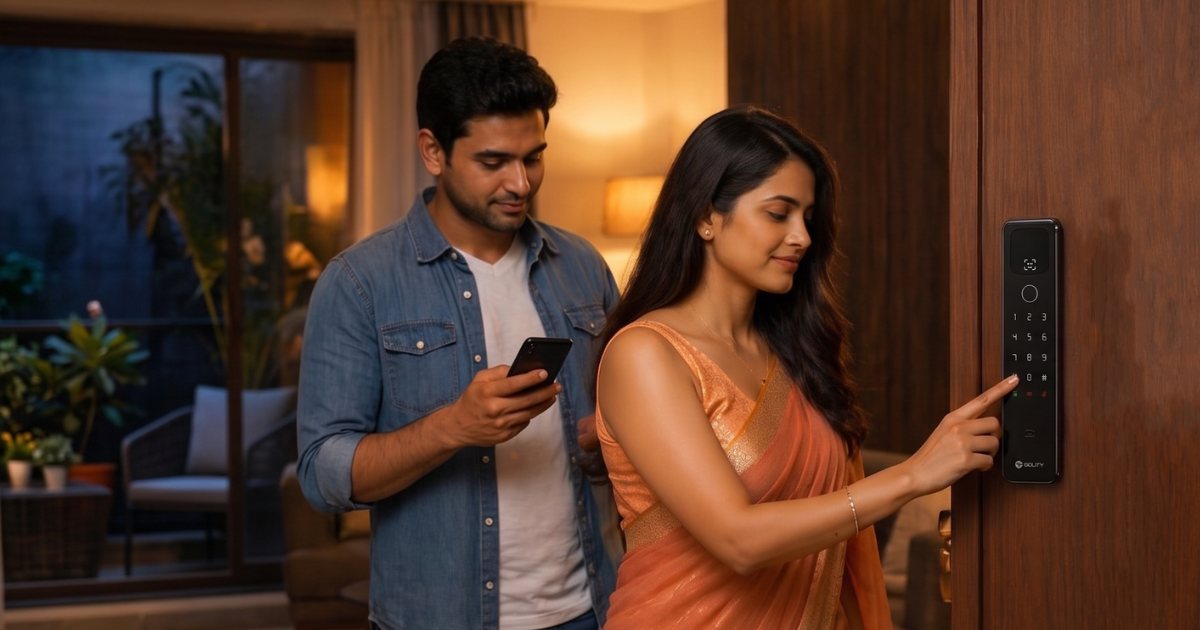
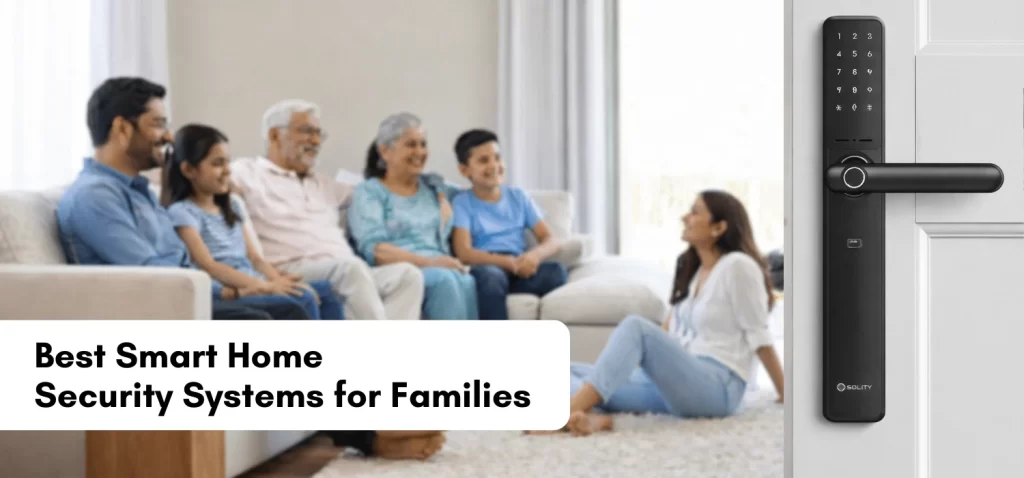
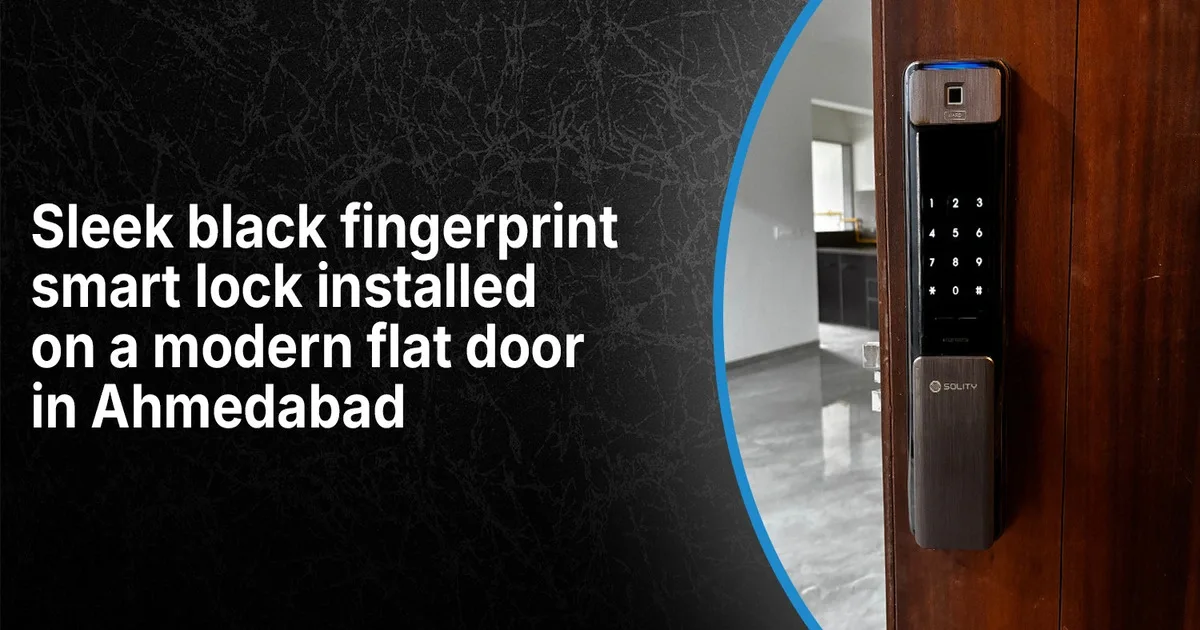
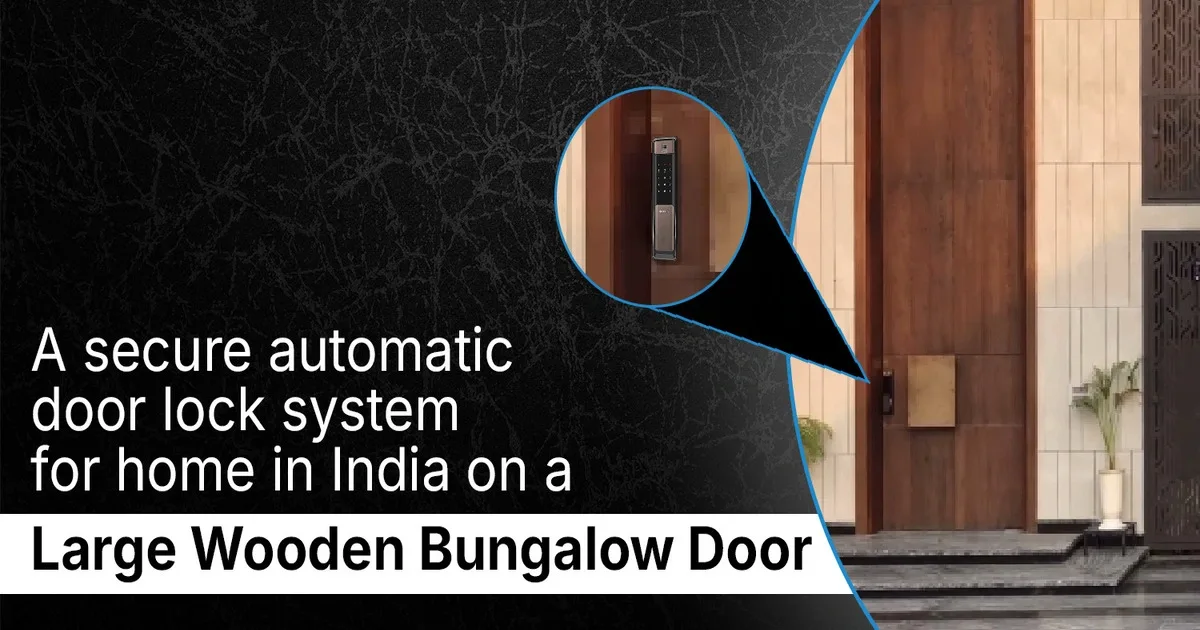
A biometric door lock for home solves a problem every parent, pet owner, and forgetful adult understands: too many people, too few spare keys. Kids walking home from school don’t need a key hidden under a fake rock. They just need a finger.
Most home-friendly models also support backup access methods, like a PIN code or a physical key override, in case the sensor is having a bad day or your hands are covered in grocery bags. That backup path matters more than marketing photos suggest, batteries die, and a lock that strands you outside isn’t a feature, it’s a liability. Choosing the right biometric door lock for home means balancing convenience, security, reliability, and dependable backup access.
A few things worth checking before buying one for your front door:
- Weatherproofing – Front doors face sun, rain, and dust. A lock rated for outdoor use will hold up better over time.
- Battery life – Look for models that give a low-battery warning well before they die completely.
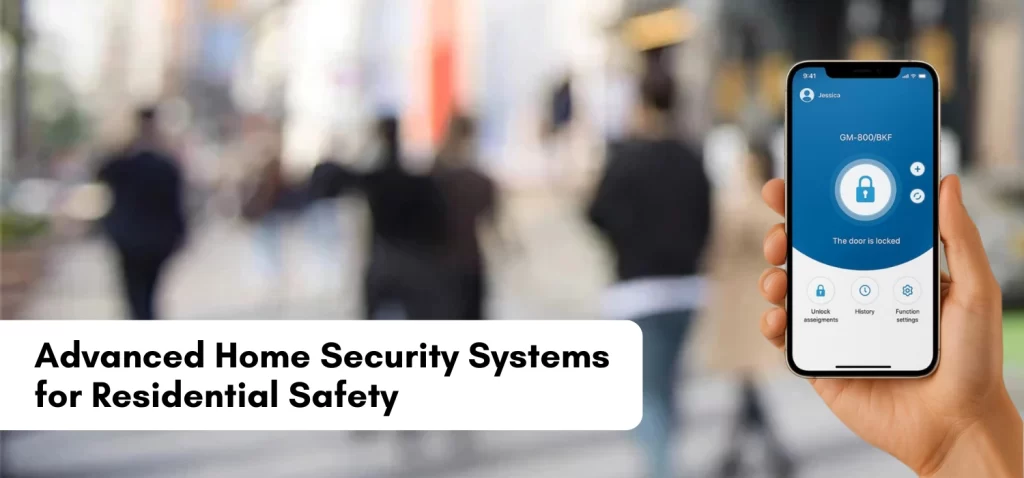
- App and remote access – Many home units let you grant or revoke access remotely, which is handy for guests, contractors, or a dog walker who only needs access on Tuesdays.
Biometric Door Lock for Office
Offices deal with a different headache: dozens (or hundreds) of people, shifting shift patterns, and the eternal question of “who still has a key from three jobs ago?” A biometric door lock for office use solves that instantly. Fingerprints can’t be handed off, copied at a hardware store, or “borrowed” by a departing employee.
It also creates a usable access log. Instead of guessing who came in at night 2 AM, an admin can pull a report showing exactly whose fingerprint opened the door and when. That kind of accountability is genuinely useful during an audit, and it’s a lot less awkward than reviewing grainy CCTV footage.
Office-grade units typically support far more enrolled users than home models, along with role-based access, so the cleaning crew can get into the lobby without also getting into the server room.
Biometric Lock for Glass Door
Offices deal with a different headache: dozens (or hundreds) of people, shifting shift patterns, and the eternal question of “who still has a key from three jobs ago?” A biometric door lock for office use solves that instantly. Fingerprints can’t be handed off, copied at a hardware store, or “borrowed” by a departing employee.
It also creates a usable access log. Instead of guessing who came in at night 2 AM, an admin can pull a report showing exactly whose fingerprint opened the door and when. That kind of accountability is genuinely useful during an audit, and it’s a lot less awkward than reviewing grainy CCTV footage.
Office-grade units typically support far more enrolled users than home models, along with role-based access, so the cleaning crew can get into the lobby without also getting into the server room.
Biometric Door Locks for Business
For companies, biometric door locks for business aren’t just about convenience; they’re about liability and control. A retail stockroom, a server closet, a pharmacy cabinet are places where “who has access” needs a clear, provable answer.
Business-grade systems typically integrate with broader access control software, allowing a security manager to add or remove employees in bulk, set time-based access windows, and generate reports for compliance purposes. That’s a meaningful upgrade from a shared keypad code that everyone from the intern to the ex-employee still remembers.
Multi-location businesses also benefit from centralized management, where access permissions across several branches get updated from one dashboard instead of physically visiting each site.
Biometric Door Lock Price: What Determines the Cost?
A Biometric door lock price varies more than people expect, and it usually comes down to sensor quality, brand, and how many extra features get bundled in.
Residential fingerprint door locks generally range from ₹10,000 to over ₹1,00,000, and that price bracket often includes smart connectivity features like app control and remote access logs. Basic units without smart features sit at the lower end. Locks that combine biometrics with heavier-duty commercial hardware, larger user capacity, or multi-modal scanning (fingerprint plus palm or face) climb well past that range.
It’s worth resisting the urge to buy the cheapest option available. A rock-bottom price often means a lower-quality sensor, and a lower-quality sensor usually means a higher false rejection rate, which translates to you standing outside your own door, scanning the same finger five times while your coffee gets cold.
How to Choose the Best Biometric Door Lock in Ahmedabad
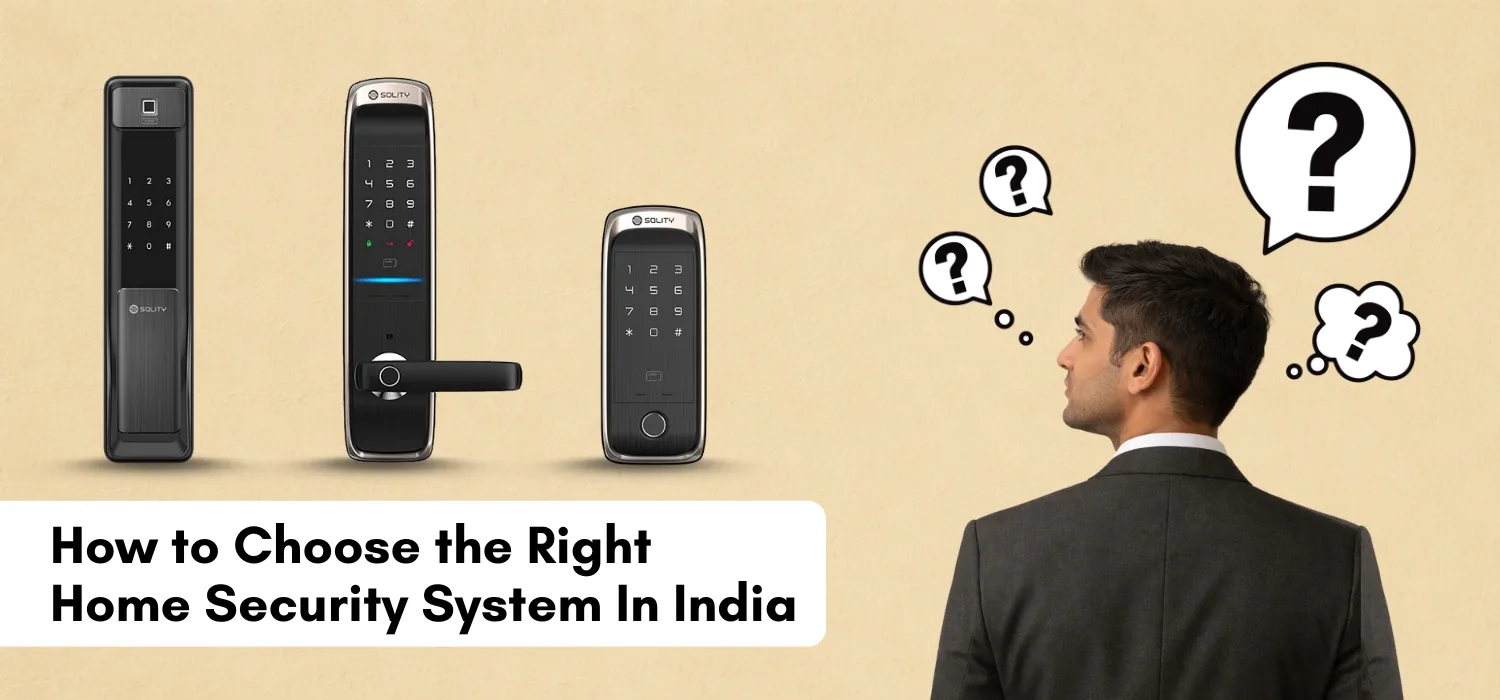
There’s no single “best biometric door lock” that fits every situation just the way a warehouse and a studio apartment have very different needs. That said, a few criteria hold up across the board:
- Sensor type and accuracy – Optical sensors are cheaper; capacitive sensors generally read fingerprints more reliably and resist spoofing better.
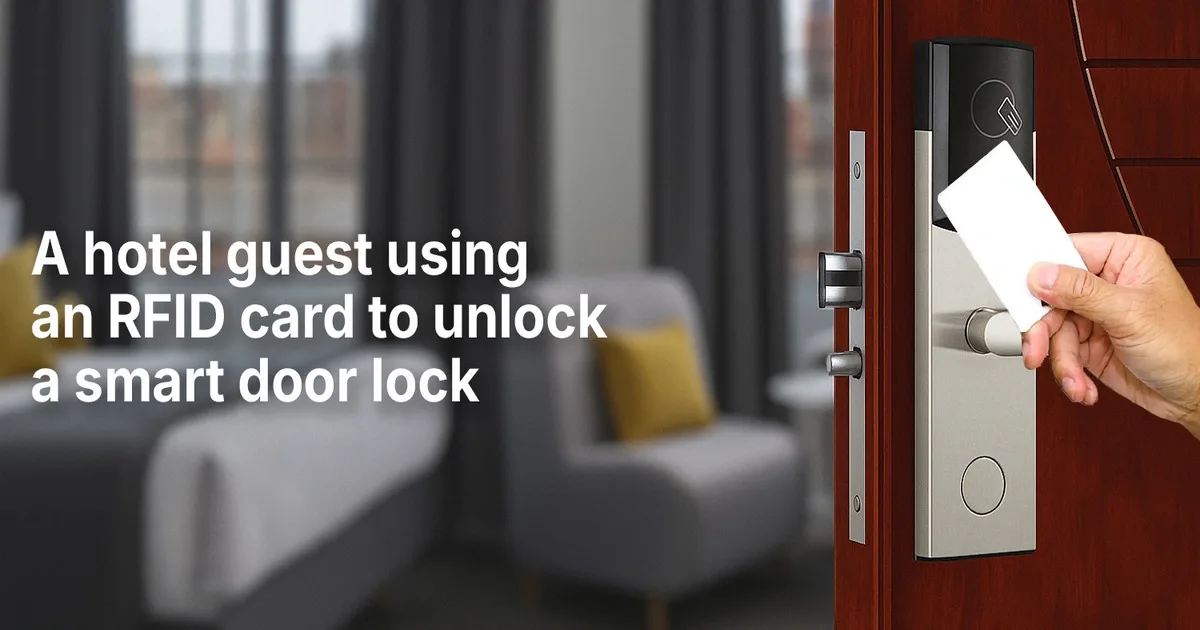
- Backup access – A PIN, key card, or physical key override keeps you from being stranded.
- Build Quality and Certifications – Look for recognized security or weatherproofing ratings relevant to your region.
- User capacity – Homes rarely need more than a handful of profiles; offices need dozens or hundreds.
Final Thoughts
A biometric smart door lock trades a pocketful of keys for a single scan, and for most homes and businesses, that trade is worth making. The technology has matured well past the “gimmick” phase, with advanced sensors, reliable fingerprint recognition, and easier installation than ever before.
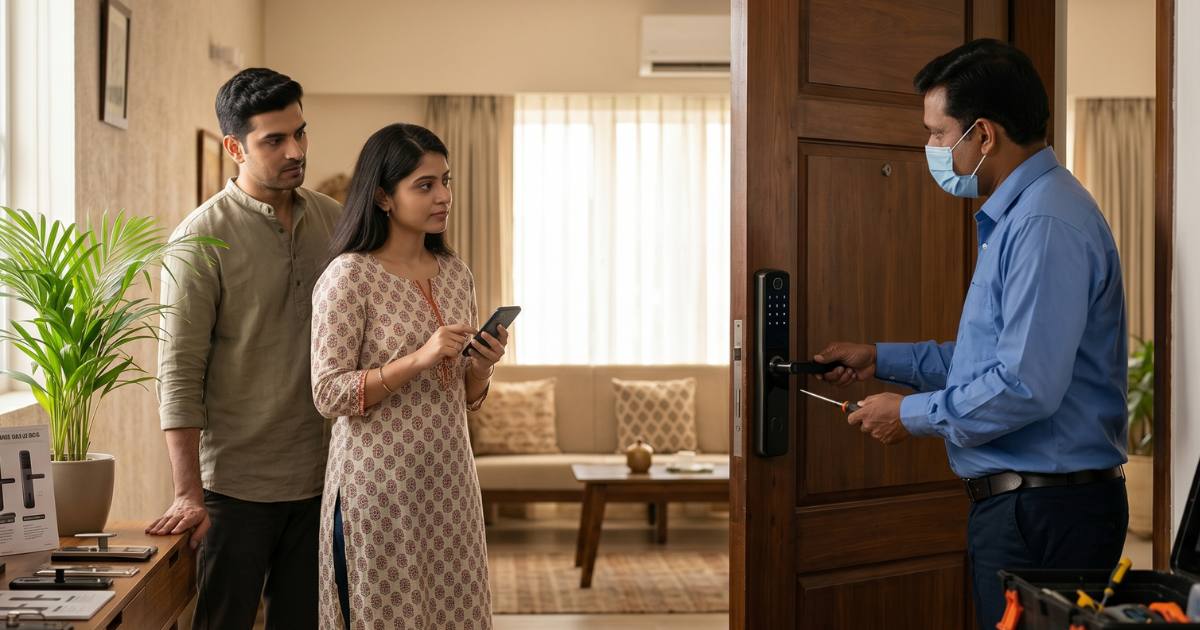
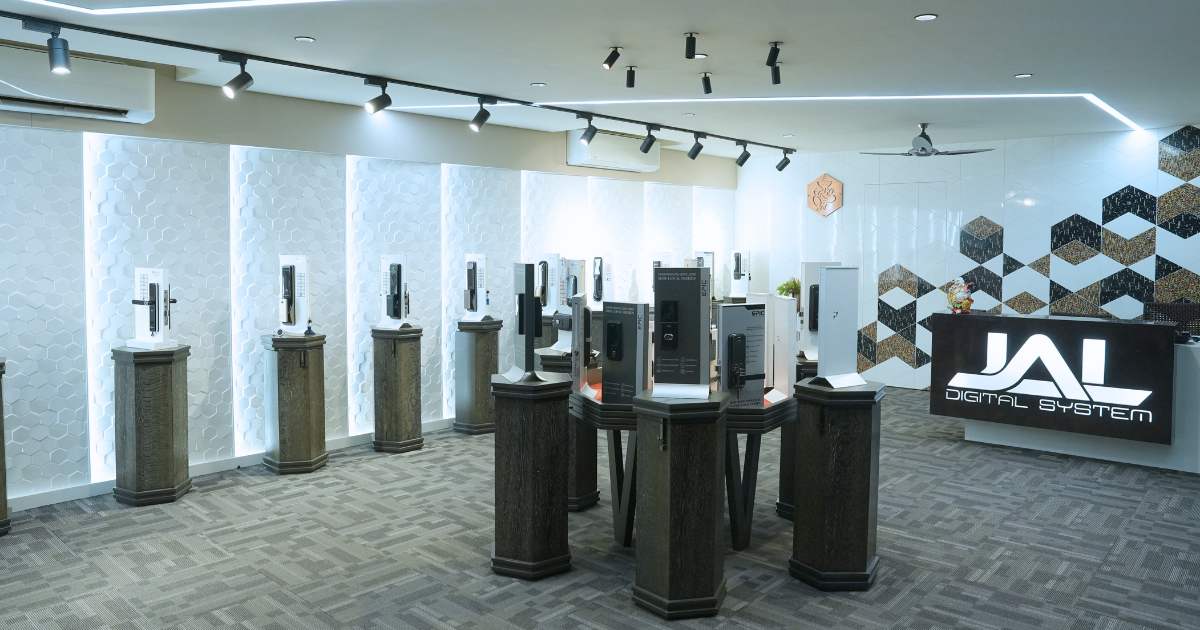
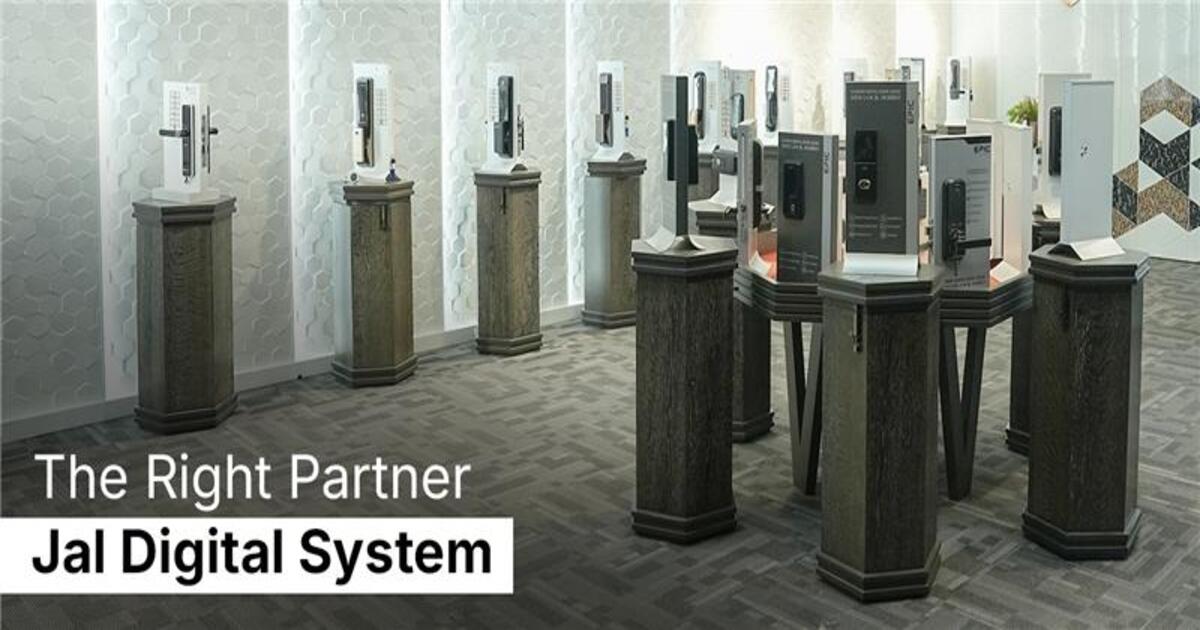
For those looking for reliable smart locking solutions, JAL Digital System is a trusted smart door lock supplier in Ahmedabad, offering modern home security options for residential and commercial applications.
The right choice still depends on the door, the building, and the number of people who need access. Match the lock type to the use case, budget for a backup entry method, and the rest of the setup mostly takes care of itself. Visit our showroom today and we’ll help you choose the best smart door lock for your customized requirements.
FAQs about Biometric Smart Locks
No lock is unhackable, but biometric locks are harder to bypass than traditional keys since fingerprints can’t be duplicated or picked like a lock cylinder. The bigger risks are software vulnerabilities or poor-quality sensors. Choosing a reputable brand with encrypted local storage and regular firmware updates significantly lowers real-world hacking risk.
Quality biometric locks warn users well before the battery fully drains and include a backup entry method, such as a PIN code, key card, or physical key override. Some models also allow emergency power through a USB port or 9-volt battery contact. Always confirm backup access exists before installing one at your main entrance.
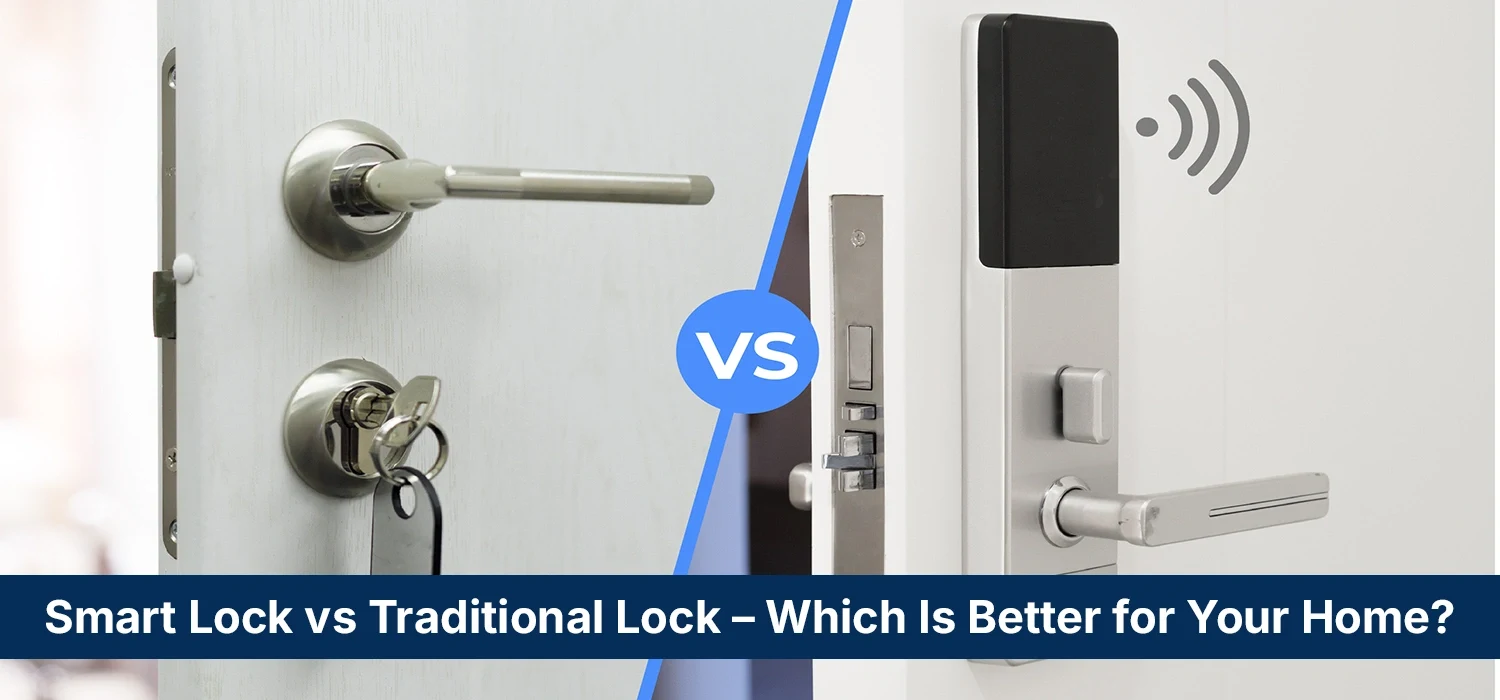
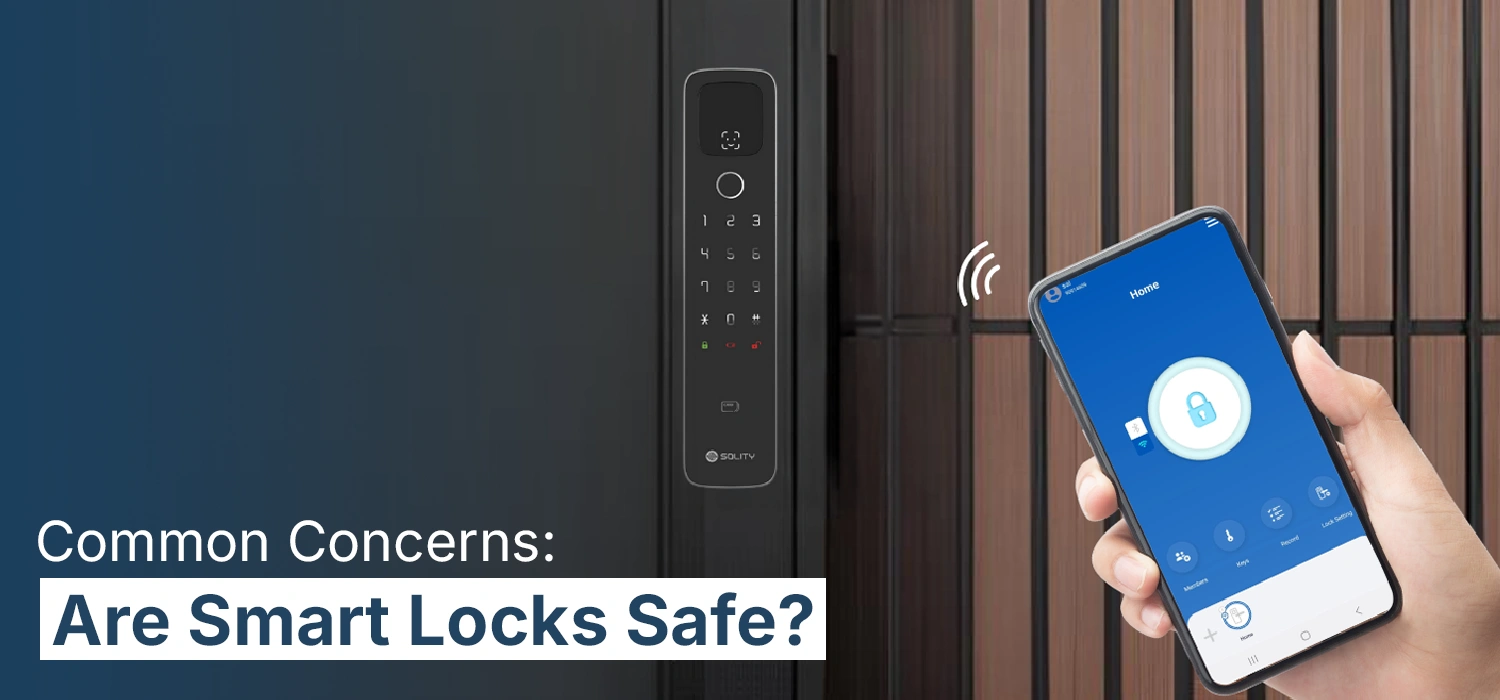
A smart lock typically unlocks via app, keypad, or Bluetooth key fob, while a biometric lock uses a physical trait like a fingerprint or palm vein as the primary credential. Many modern digital door locks combine both, offering biometric access as the main method with app or PIN access as a backup option
Fingerprint recognition is the more established option for doors, offering fast, reliable matching and wide availability. Facial recognition is more common in commercial settings and is more vulnerable to spoofing through photos or video without added liveness detection. For most home and office doors, fingerprint sensors remain the stronger everyday choice.
Yes. Most biometric locks support multiple enrolled fingerprints, and capacity varies by model. Home locks usually handle a handful of users comfortably, while office and business-grade systems support dozens or hundreds of profiles, often with role-based access so different groups can be restricted to specific doors or time windows.